
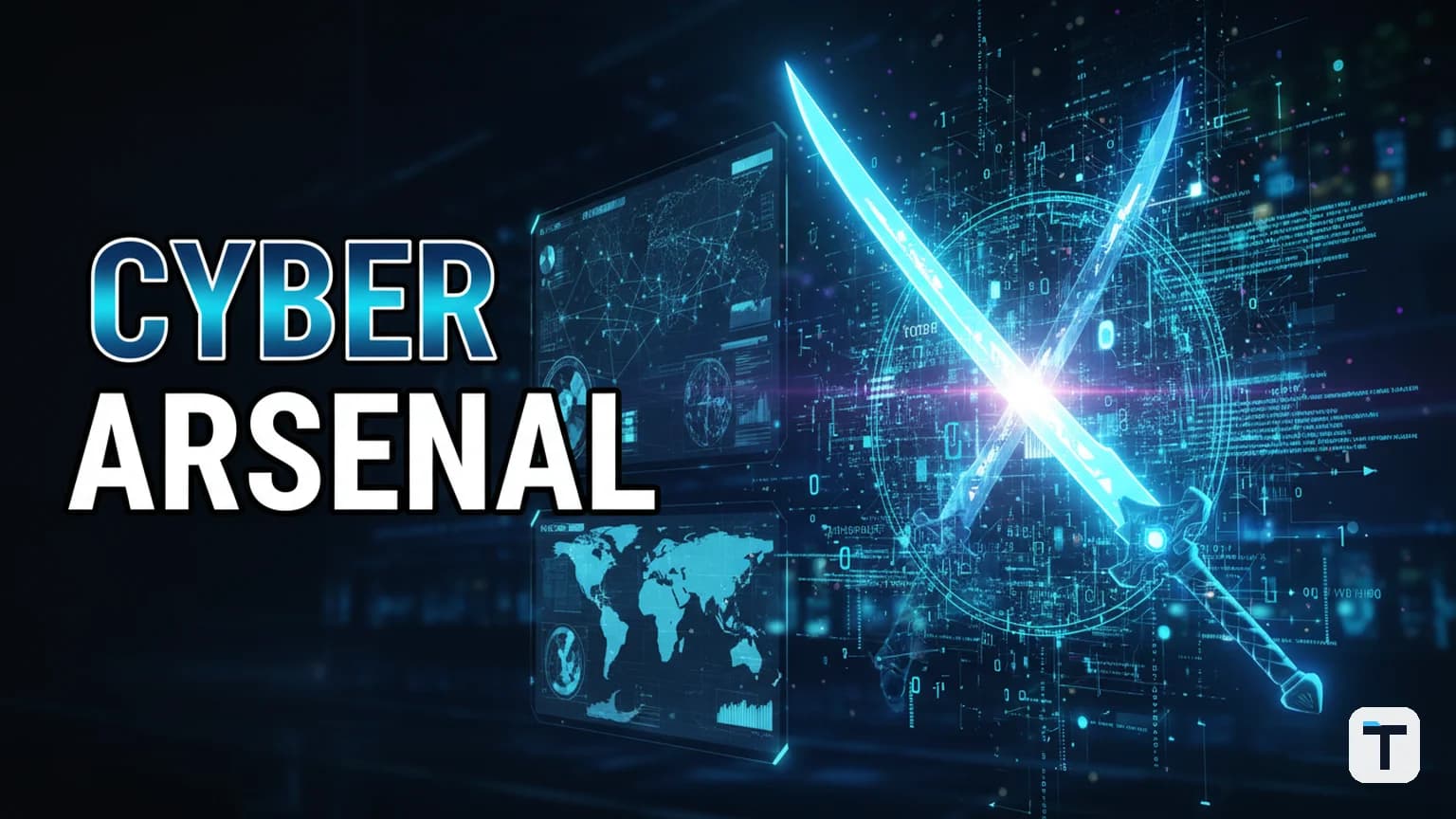
TL;DR: The State of AI Cybersecurity | Feature | Status | | :--- | :--- | | Core Shift | From manual scanning to autonomous AI agents | | Key Capability | Automated zero-day discovery & exploit development | | Strategic Importance | National "Sovereign AI" priority | | Market Leaders | Anthropic (Mythos), Qihoo 360 (Tulongfeng) | | Last Verified | June 25, 2026 |
The era of manual vulnerability research is ending. On June 24, 2026, the cybersecurity world witnessed a major shift as new autonomous AI agents were unveiled to rival the likes of Anthropic’s Mythos. These systems, designed for both offense and defense, signal a new frontier where digital dominance is determined by the intelligence and autonomy of a nation's cyber-arsenal.
What is Autonomous AI Vulnerability Discovery?
Autonomous AI vulnerability discovery refers to the use of artificial intelligence models to automatically scan software, identify security flaws, and even develop exploits without human intervention. Unlike traditional static or dynamic analysis tools that rely on predefined rules or patterns, these advanced AI systems can learn from vast datasets of code, vulnerabilities, and exploit techniques to uncover novel weaknesses.
This trend is part of a broader Sovereign AI movement, where nations are building their own foundational intelligence models to ensure digital independence. For instance, the recent unveiling of tools like Tulongfeng (for discovery) and Yitianzhen (for defense) by Qihoo 360 at the ISC.AI 2026 conference demonstrates this push for domestic capabilities.
How are Nations Leveraging AI in Cyber Warfare?
Nations are integrating AI into their cyber strategies across several key areas:
- Automated Vulnerability Identification: AI models are deployed to continuously scan critical infrastructure and widely used software for zero-day vulnerabilities. For example, Tulongfeng has reportedly identified 3,432 software vulnerabilities, with 105 confirmed by authorities.
- Enhanced Cyber Defense: AI-powered systems like Yitianzhen automate the detection and response to cyberattacks. These tools can analyze network traffic and initiate containment actions much faster than human teams, a critical necessity in an era of high-speed AI agents.
- The "Agent" Route to Parity: Some nations are bridging the gap in raw compute power—often limited by hardware shortages and custom chip costs—by focusing on "agents." This approach combines specialized models with extensive security expertise and vulnerability databases.
- Combatting "One-Way Transparency": Leaders argue that such powerful weapons "cannot be held only by others." The risk of one nation scanning another's critical infrastructure with AI while remaining blind themselves is a significant strategic threat.
The Implications for Global Cybersecurity
The rise of AI in cyber warfare presents several critical implications:
- Accelerated Arms Race: The development of AI-powered cyber tools is intensifying an arms race. This competition mirrors the drive seen in data center infrastructure development.
- Zero-Day Exploit Proliferation: AI's ability to discover unknown vulnerabilities (zero-days) at scale could lead to a rapid increase in exploitable flaws, demanding faster patching cycles.
- Ethical and Regulatory Challenges: The autonomous nature of these systems raises complex questions about accountability. This is especially pertinent as models like GPT-5.5 Instant push the boundaries of intent recognition.
What This Means for You
For businesses and individuals, the accelerating AI cybersecurity race translates into a heightened need for robust digital defenses:
- Proactive Security Investments: Organizations must invest in AI-driven threat detection to keep pace.
- Continuous Vulnerability Management: Periodic audits are no longer enough; continuous scanning is mandatory.
- Software Supply Chain Security: Vet your dependencies rigorously, as the focus of AI discovery shifts to third-party libraries.
Q: What is Anthropic’s Mythos? A: Mythos is an advanced AI model previewed by Anthropic in early 2026, specifically optimized for discovering software vulnerabilities and developing functional exploits.
Q: What is the "Yitian Tulong" banner? A: It is a branding used by Qihoo 360 for its AI cybersecurity suite, referencing a classic martial arts novel meaning "Heavenly Sword and Dragon Sabre."
Q: Can AI find vulnerabilities that humans miss? A: Yes. AI models can scan vast amounts of code and identify patterns or edge cases that are difficult for human researchers to spot, including long-standing "hidden" bugs.
Q: Why are there export controls on these AI models? A: Governments cite national security concerns, fearing that the autonomous ability to discover and exploit vulnerabilities could be used by adversaries to attack critical infrastructure.
Q: Is there an AI system for cyber defense? A: Yes, tools like Yitianzhen are specifically designed to automate cyber defense, incident response, and threat mitigation in real-time.
Q: How many bugs did Tulongfeng find? A: As of June 2026, Qihoo 360 claims Tulongfeng has identified 3,432 software vulnerabilities, with over 100 confirmed by official authorities.
Sources:
- Reuters: "China’s 360 says it has developed tools to match Anthropic’s Mythos" (June 24, 2026).
- Qihoo 360 Official ISC.AI 2026 Transcript and Announcement.
- Anthropic: "Mythos Preview Technical Report" (April 2026).
- Cloud Security Alliance: "Claude Mythos: AI Vulnerability Discovery and Containment Failures" (April 2026).
Updates Log:
- June 25, 2026: Article published with initial data on ISC.AI 2026.
Last verified: June 25, 2026.
Every claim here is traced to a primary source, dated, and listed under Sources. Research and drafting are AI-assisted; editing, verification and publication are human decisions, and a person is accountable for what appears on this page. How we work →
Discussion
0 comments