
Last verified: 2026-06-26
- Core Tech: Full-duplex bidirectional audio processing (simultaneous streaming).
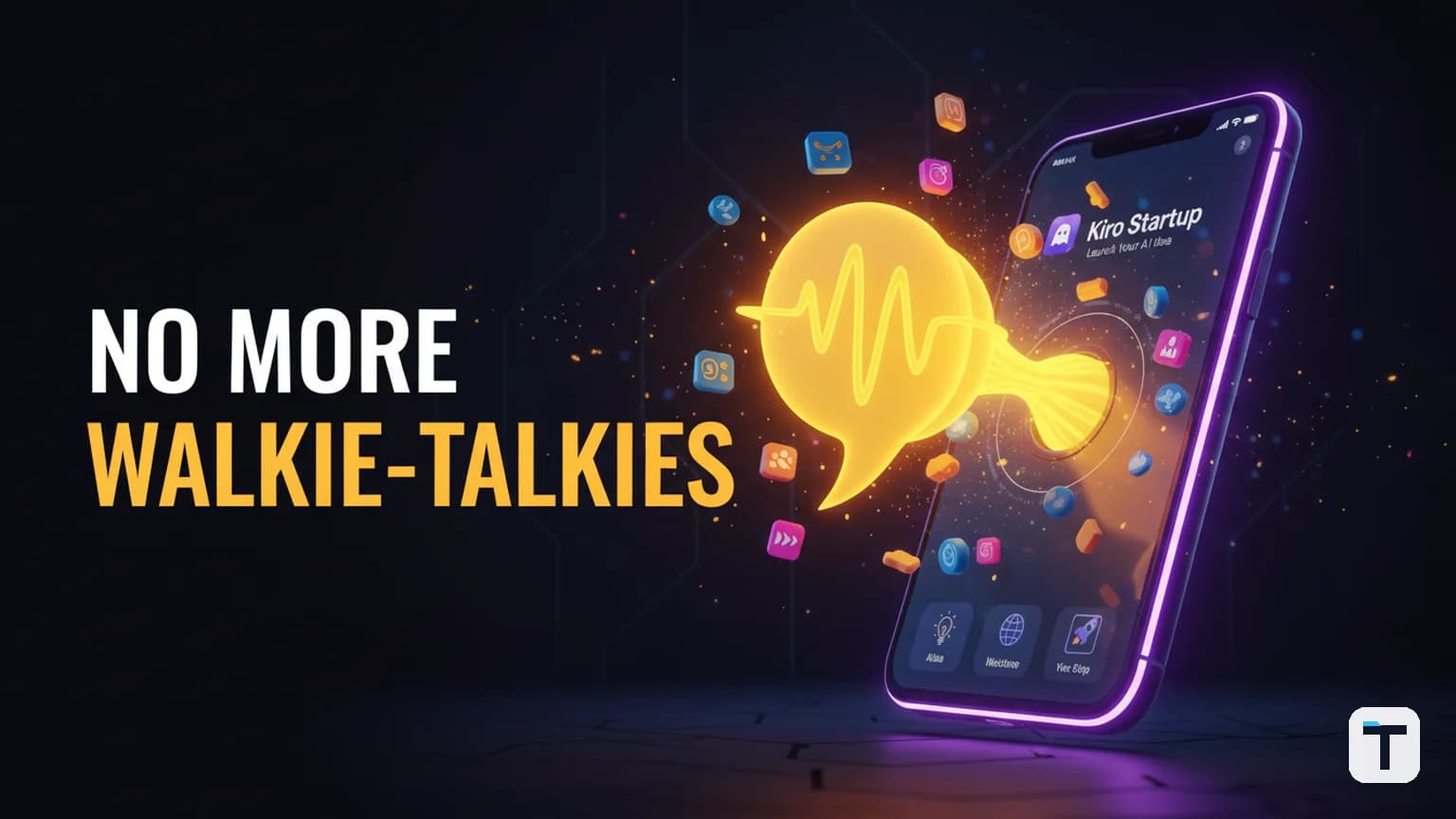
- UI Signifier: Active sessions turn the standard ChatGPT voice bubble yellow.
- Intelligence Tiers: Three user-selectable options: Instant, Medium, and High.
- Status: Active phased rollout to a select subset of web and mobile ChatGPT app users.
- Volatile facts notice: Model architecture, naming conventions, and tier availability are based on early production builds and internal code leaks and are subject to change prior to formal vendor announcement.
What is the OpenAI GPT-Bidi-1 voice model?
GPT-Bidi-1 is a native bidirectional audio model designed to process continuous voice inputs while generating real-time spoken outputs. According to early user discovery and application code leaks first surfaced by TestingCatalog, the model completely removes the serialized "speak-wait-respond" cadence that limits current conversational layers.
Historically, tools like ChatGPT’s Advanced Voice Mode (which debuted on the OpenAI Realtime API and GPT-4o infrastructure) operate sequentially. When a user interrupts, the model halts execution, flushes its generation buffer, and restarts the processing loop. Bidi 1 uses a native full-duplex architecture that processes inbound audio data packets concurrently with outbound streams, keeping the conversation context active without jarring restarts.
What are the key features of Bidi 1?
The primary feature of Bidi 1 is its ability to handle asynchronous conversational overlap, mimicking natural human dialogue mechanisms. Early technical benchmarks and user demonstrations shared across network channels confirm several distinct capabilities:
- Asynchronous Interruption Handling: The model does not lock up or stutter when cross-talk occurs. It continues listening and can smoothly adapt its response based on mid-sentence commands.
- Dynamic Task Switching: Users can pivot the AI’s objective mid-thought. For example, in verified tests, asking the model to count upward, interrupting it, and instructing it to count backward results in an instant architectural pivot without loss of contextual state.
- Natural Backchannels: Bidi 1 absorbs minor human interjections—such as "okay" or "mm-hm"—and provides short, contextual validations without dropping the primary conversational thread.
- Long-Form Context Retention: Code elements suggest a massive upgrade to voice session memory. Bidi 1 retains older conversational points far better than existing turn-based architectures, resolving a major bottleneck in prolonged spoken workflows.
| Feature / Metric | ChatGPT Advanced Voice Mode (Current) | GPT-Bidi-1 (Leaked) |
|---|---|---|
| Audio Processing Class | Half-Duplex (Serialized Turn-Taking) | Full-Duplex (Simultaneous Stream) |
| Interruption Behavior | Clears buffer, forces complete reset | Absorbs input, shifts dynamically |
| Selectable Intelligence Tiers | None (Static Model Allocation) | Yes (Instant, Medium, High) |
| UI Element Color | Blue / Black | Yellow Bubble |
| Potential Coding Integration | Text Dictation Only | Real-time interactive architecture |
How do the Bidi 1 intelligence tiers work?
GPT-Bidi-1 introduces three distinct performance tiers to balance latency, processing cost, and reasoning depth. According to configuration string leaks documented by Android Authority, users will be able to manually toggle these options in the application settings depending on their use case:
- Instant: Optimized for minimal latency and high-velocity back-and-forth communication. This tier is ideally suited for lightweight translation, verbal drafting, or simple information retrieval.
- Medium: A balanced profile providing standard reasoning capabilities alongside low-latency streaming, matching the operational efficiency profile found in text models like the recently refreshed [/articles/gpt-5-5-instant-june-2026-update-intent-quality].
- High: Tailored for complex logical operations and deep cognitive reasoning. While response latency may increase slightly, this tier is expected to manage advanced multi-step workflows and sophisticated problem-solving natively via voice.
This tiered system mirrors OpenAI's text-side strategies, mapping full conversational capabilities directly onto the capabilities of modern [/articles/rise-of-ai-orchestration-models-multi-agent-systems].
How will bidirectional voice impact workflows?
The transition to full-duplex audio transforms voice from a basic input option into an interactive development workspace. For professionals, developers, and enterprise teams, this technology opens several functional horizons:
Rapid Interactive Scripting
Traditional asset scripting requires manual drafting, reviewing, and sequential correction cycles. With Bidi 1, a content creator can articulate ideas out loud, shaping hooks and structures interactively. The user can redirect the AI mid-sentence ("No, make that section punchier"), dropping drafting time down to minutes.
Real-Time Voice-Driven Code Generation
String discoveries hint at potential future integration with OpenAI's specialized development agents, similar to the metered access structures appearing in competitors like the [/articles/claude-fable-5-return-usage-credits-leak-2026]. Instead of writing out discrete prompts, developers can vocally direct a coding agent in real time: modifying layouts, adjusting themes, and handling component setups as an interactive, verbal pair-programming experience.
Fluid Customer Operations and Support
Current voice response systems feel highly algorithmic, leading to user friction and high drop-off rates. A full-duplex voice interface allows customer-facing web agents to manage complex user calls naturally, interpreting rapid context shifts and follow-up questions without forcing the customer to wait for arbitrary pauses.
What this means for you
For operators utilizing AI platforms for commercial workflows, the rollout of GPT-Bidi-1 changes how you should design voice-first applications. Instead of forcing users into strict, serialized prompting schemas, architectures must pivot to handle asynchronous audio inputs. If you are building lead generation channels, interactive support bots, or internal tools, preparing your prompt layers for continuous stream-based adjustments will be essential for maintaining a competitive edge as these models move from phased app rollouts to public API endpoints.
Related reading
FAQ
Q: Is GPT-Bidi-1 officially launched by OpenAI?
A: No. As of June 26, 2026, OpenAI has not made a formal public announcement. The model name, UI assets, and operational tiers have been verified via application builds and a gradual server-side rollout to a subset of ChatGPT mobile and web users.
Q: How do I know if I have access to Bidi 1?
A: Check your ChatGPT application settings menu. If you are part of the active rollout phase, you will see a toggle for "Bidi (Latest)" alongside standard and advanced options. When initiated, the interactive voice bubble will appear yellow instead of blue.
Q: What is the main technical difference between Bidi 1 and Advanced Voice Mode?
A: Advanced Voice Mode is turn-based (half-duplex); it stops generating entirely the moment it detects user input. GPT-Bidi-1 is full-duplex, allowing both the human and the AI to transmit and process audio packets simultaneously without interrupting the execution loop.
Q: Will Bidi 1 be accessible via the OpenAI API?
A: While code leaks demonstrate mobile and web implementation first, OpenAI's historical development patterns indicate that bidirectional full-duplex parameters will eventually expand into the official Realtime API stack for third-party application deployment.
Every claim here is traced to a primary source, dated, and listed under Sources. Research and drafting are AI-assisted; editing, verification and publication are human decisions, and a person is accountable for what appears on this page. How we work →

Discussion
0 comments