
Verdict: Google NotebookLM's 2026 update marks a pivotal shift, transforming it from a powerful research assistant into an "Agent Operating System" (Agent OS). This update extends beyond mere customizable flashcards and enhanced sharing, enabling users to orchestrate a team of specialized AI agents. By integrating features like "Smarter Source Discovery," "Cinematic Video Overviews," and a unified memory, NotebookLM now offers unparalleled capabilities for managing complex AI workflows, from research and content creation to business automation.
Last verified: 2026-06-23 Key Innovation: NotebookLM as a Unified AI Agent Operating System Core Features: Customizable Flashcards, Shared Knowledge, Multi-Agent Orchestration, Cinematic Video Overviews Impact: Streamlined AI workflows, enhanced productivity for individuals and small businesses.
The Evolution of NotebookLM: From Assistant to Agent OS
Initially lauded for its grounded AI approach—processing only the information provided by the user—NotebookLM has continually evolved. The 2026 update significantly expands its utility, positioning it as a central hub for various AI-powered tasks. This "Agent OS" paradigm allows users to move beyond siloed AI tools, creating integrated workflows where specialized agents collaborate and share knowledge within a single interface.
Customizable and Shareable Flashcards: A Foundation for Collaborative Learning
The ability to customize and share flashcards, while seemingly a minor feature, is foundational to this new ecosystem. Previously, users were limited by auto-generated cards that couldn't be edited. Now, with full control over questions and answers, and the option to add new cards or share decks with teams, NotebookLM becomes a robust tool for collaborative learning and knowledge consolidation. This ensures accuracy and adaptability, making it suitable for training diverse AI agents within the OS.
Orchestrating Intelligence: The Multi-Agent System
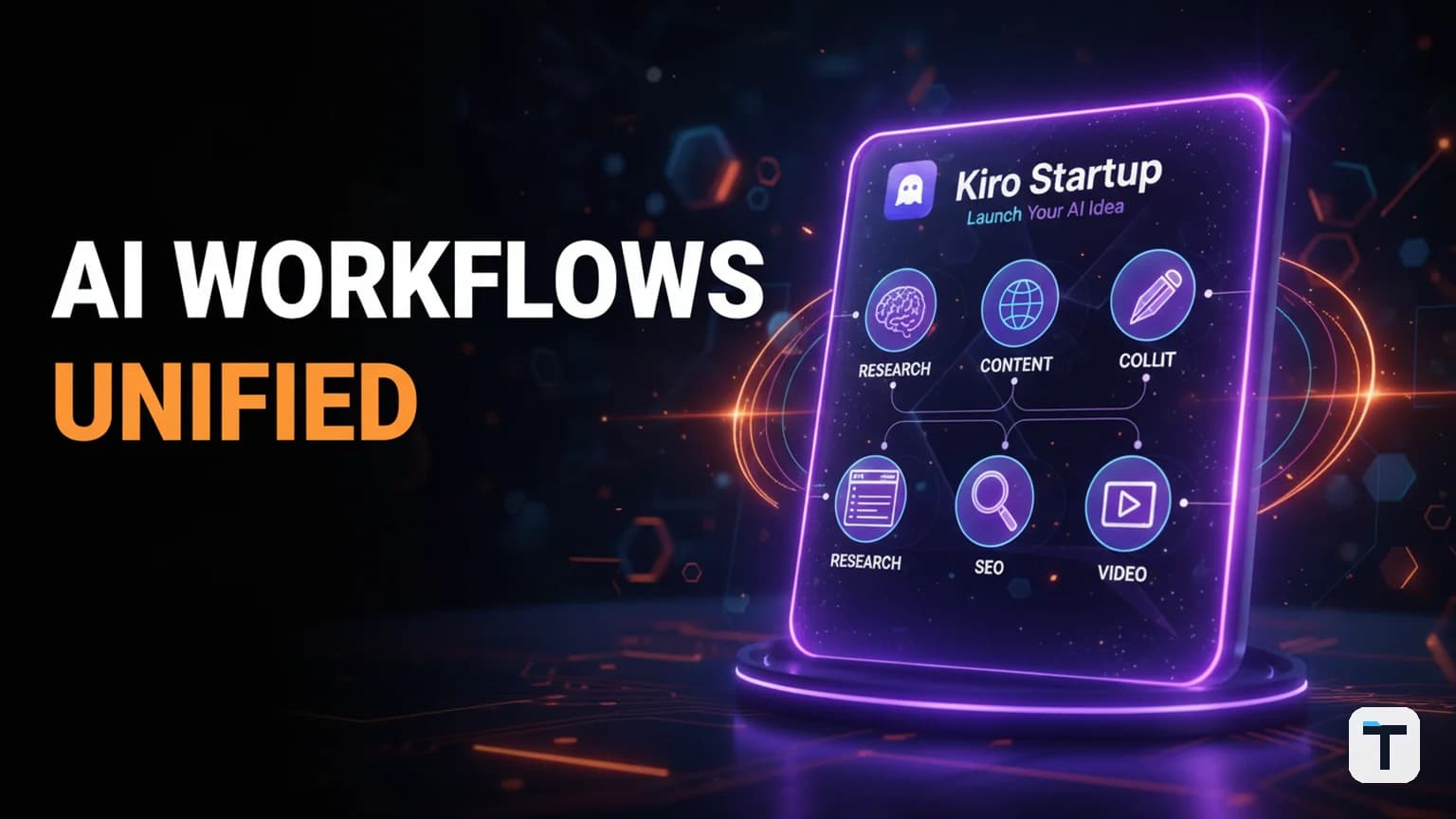
The true power of the NotebookLM Agent OS lies in its capacity to host and coordinate multiple AI agents. Imagine a dashboard where distinct AI functionalities—each an "agent"—work in concert:
- Research Agent: Leverages NotebookLM's "Smarter Source Discovery" and expanded memory (up to 50 sources, hundreds of thousands of words) to ingest and synthesize vast amounts of documentation. It can automatically create flashcards and key points, feeding critical insights to other agents.
- SEO Agent: Utilizes the research output to identify trending topics and optimize content for search engines, ensuring visibility.
- Content Creation Agent: Transforms research-backed insights into various formats, such as scripts for videos or articles, maintaining brand voice and accuracy.
- Content Judge/Checker Agent: Critiques and refines the output of other agents, identifying weak spots and ensuring quality and adherence to editorial standards.
This orchestration transforms fragmented AI tools into a cohesive "factory," where an idea can move from research to final product with minimal manual intervention.
Cinematic Video Overviews and Beyond: Rich Media Production
Among the most exciting additions is the "Cinematic Video Overview" capability. Powered by advanced models like Google's Gemini 3, Nano Banana Pro, and Veo 3, NotebookLM can now convert written documents and notes into fully animated, narrated video explainers. This is not just text-to-speech; these are visually rich narratives designed to explain complex topics, ideal for presentations, educational content, or marketing. This feature significantly enhances content atomization, allowing a single piece of research to be repurposed into engaging video format with ease.
Building Your Own AI Workflow with NotebookLM
Implementing NotebookLM as your personal Agent OS involves a structured approach:
- Centralize Knowledge: Upload all relevant documents, notes, and web pages into NotebookLM. The research agent processes this information, creating a shared knowledge base.
- Define Agent Roles: Assign specific tasks to different AI agents (or use NotebookLM's integrated Studio features). For example, a "Lead Agent" could identify new customer prospects based on your uploaded data, while a "Helper Agent" could draft responses to frequently asked questions.
- Automate Production Pipelines: Leverage features like parallel generation within the Studio to simultaneously create various assets from a single source—e.g., a briefing document, a slide deck, and a data table from research notes.
- Continuous Improvement: The ability to fix and refine flashcards, coupled with the content judge agent, allows for constant improvement and accuracy across all AI-generated outputs.
For advanced users, NotebookLM's support for the Model Context Protocol (MCP) enables seamless integration with external tools and agent operating systems like Unified Agent Operating Systems or Obsidian Company Brains, creating a truly interconnected AI ecosystem.
What this means for you
The 2026 NotebookLM update democratizes advanced AI orchestration. Whether you're a student, researcher, content creator, or small business owner, the Agent OS paradigm allows you to build sophisticated, integrated AI workflows that were once the domain of large enterprises. By centralizing knowledge, coordinating specialized AI agents, and automating content production, NotebookLM empowers you to achieve unprecedented levels of productivity and innovation.
Related reading
- How to Build an AI Asset Factory with NotebookLM: A Small Business Guide (2026)
- The End of Monolithic AI: Why Multi-Agent Orchestration is the New Frontier
- Hermes Agent Blank Slate Mode: Build Lean, Secure, and Update-Proof AI Agents from Scratch
FAQ
Q: What is an "Agent OS" in the context of NotebookLM? A: An "Agent OS" refers to NotebookLM's evolution into a centralized platform that can host, coordinate, and manage multiple specialized AI agents, allowing them to collaborate and share knowledge to automate complex workflows, rather than operating as isolated tools.
Q: Can I share the customized flashcards with collaborators? A: Yes, the 2026 update explicitly includes features for sharing customized flashcards with your team, facilitating collaborative learning and knowledge management.
Q: What is a "Cinematic Video Overview"? A: Cinematic Video Overviews are an advanced feature that transforms your uploaded documents and notes into fully animated, narrated video explainers, complete with dynamic visuals and a coherent narrative structure, powered by Google's latest AI video models.
Q: Is the "Agent OS" concept available in all NotebookLM tiers? A: While core features like customizable flashcards are widely available, the full scope of multi-agent orchestration and advanced production capabilities like Cinematic Video Overviews may be tied to premium tiers such as Google AI Ultra and Workspace Business accounts.
Q: How does NotebookLM prevent AI hallucinations when used in an Agent OS? A: NotebookLM is a "grounded AI," meaning it only processes information from the sources you provide. This foundational principle, coupled with features like the Secure Cloud Computer for code execution and reasoning steps for auditing logic, significantly mitigates hallucination risks by keeping outputs directly tied to verifiable sources.
Every claim here is traced to a primary source, dated, and listed under Sources. Research and drafting are AI-assisted; editing, verification and publication are human decisions, and a person is accountable for what appears on this page. How we work →
Discussion
0 comments